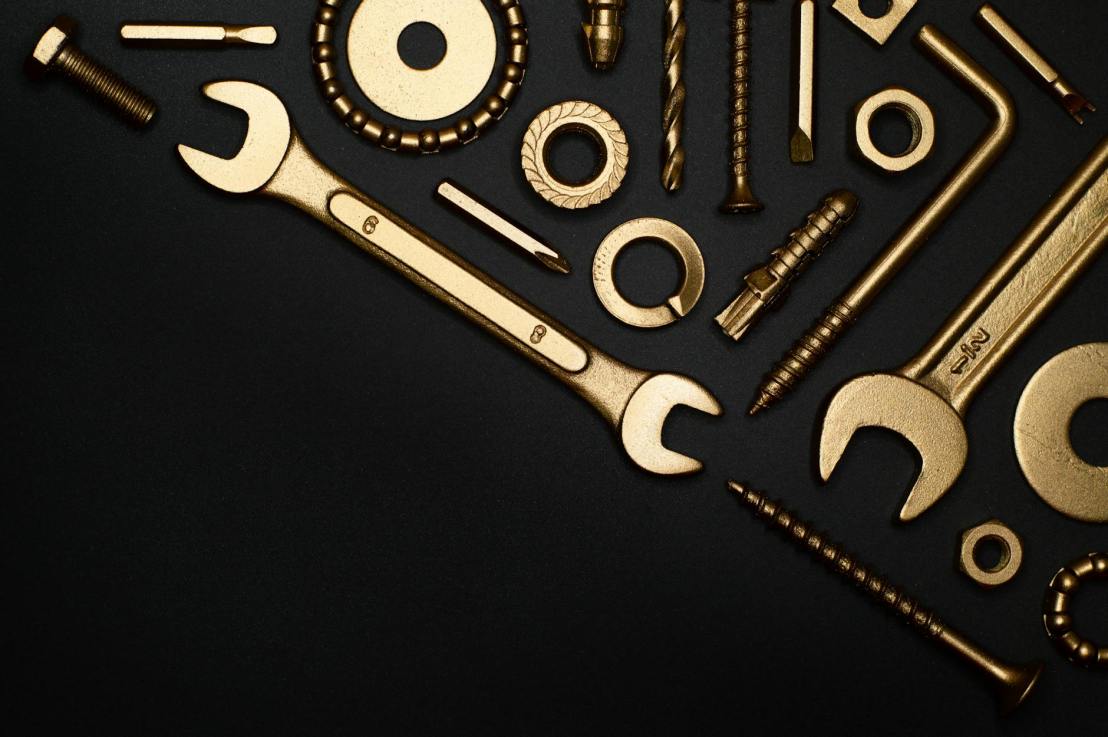
Among the most important facets of authentic assessment is the need to gain proficiency in the “tools of the trade” which can be anything. Literally. Each experience would require different tools to complete the necessary tasks.
The traditional tools of classroom assessment don’t work for this purpose. Multiple choice selections and five-paragraph essays are inauthentic, though they provide information in some cases about what students know — assuming that students have not found a workaround, such as an AI resource to write the paper for them or a friend with the answers to the test. In general, authentic assessment makes it much harder to cheat your way through an assessment.
Media Creation Tools
A student who is learning about video editing in order to create a meaningful public service announcement for a charity would find it necessary to explore, learn, and then master the hardware and software resources that are used by professionals in the business on a daily basis. Granted, with limited opportunities, they may not be able to get top of the line options in microphones, cameras, or editing programs. However, even the most basic experience would serve to educate the student in the specific variables that make some products better than others and create a pathway for more learning. For some learners, it would be enough to show them that this endeavor is a lot of work and maybe they don’t have the interest that they thought they would. For others, it can be the springboard to higher learning or to a career, if their interest is sparked through the process.
Design Tools
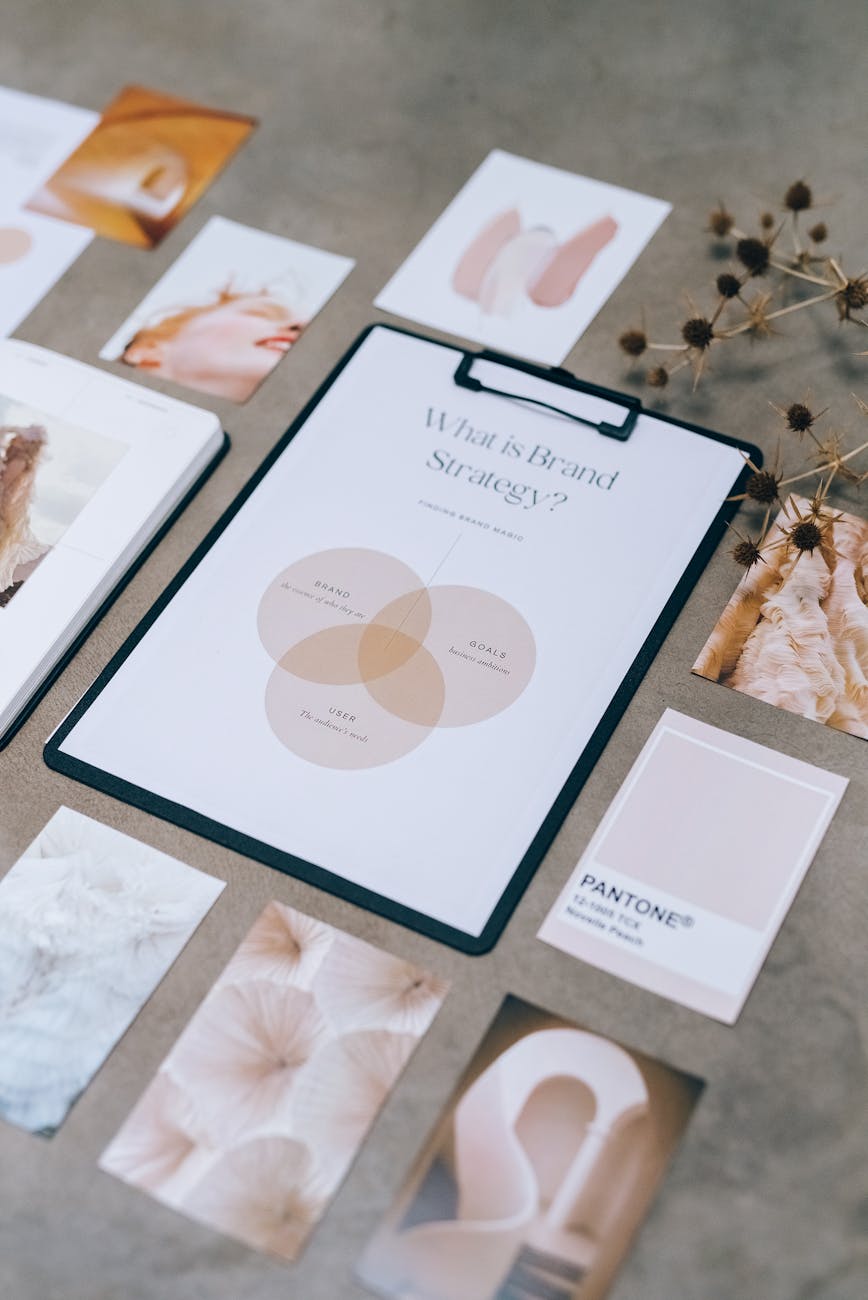
Tools don’t always have to be costly. They could even be intangibles. Designing advertisements, perhaps for a business or a non-profit, may just involve a creative eye…and a lot of study about orientation of components on a graphic page, the science of eye movements when reading, or color theory. Sure, some software is pricey, but it doesn’t have to be for a school project. However, it does provide significant opportunity for learning new things. Maybe there is a budding advertising executive in the works, but the yield could also be knowing things to make a project better in the next class or building a resume’ with pizzazz, which leads to an after-school job. Not everything is a life-altering game-changer.
Research Tools
Tools can also come in fluency of access to research material. Working as an advocate to find evidence of something in a case, might require reading journal articles or searching websites or maybe even checking out dusty books. Students could explore new territory and find something previously undiscovered. History enthusiasts might take a deep dive into primary source documents to learn about the economics of the Civil War or the first industrial revolution. By doing so, each of these students would be learning research skills and the navigation tools of online or hands-on documents which could provide answers to the questions that they have.
Protocols as Tools
Tools might even involve some professional development in order to complete specific tasks. Learning to code in Python is important for work in cybersecurity. If coding isn’t the right avenue, just learning about the standards and protocols which are at work in the field of cybersecurity could cause a pivot from unsafe online practices and messaging to others among friends and family about the risks they face. All that simply from having contact with the tools experts use daily.
The Right Tool
Sometimes a tool is just a tool — wrenches, blades, or screwdrivers, to name a few. Completing an authentic assessment in engineering or mechanics may be defined as hearing the engine purr instead of cough or even just remain silent. Crafting a product or making a repair requires learning how to handle the machines or hardware which is necessary for the task. Once upon a time, this might have required an expert mentor with whom to apprentice, but enthusiastic and motivated learners can do quite well with YouTube videos to help solve mechanical problems or learn particular skills. Don’t get me wrong, working with an expert is an outstanding opportunity. It’s just not always an option. Whether it’s learning woodworking or leathercraft, mechanics or rough carpentry, youth with more experience working with their hands are wiser about what it takes to make things happen, or at least why these professionals earn good money.
Planning as a Tool
Educators know that one thing students do not like to do is dedicate time to planning. In authentic assessment, those who don’t plan run the risk of a failed product or task, which would require a “do over.” That’s costly in time and resources, but a fantastic object lesson. I’m reminded of the movie The Ultimate Gift in which a young man who wants to take the easy road in completing a job finds that he has to do the sweaty, back-breaking work again — the right way. His perspective changes dramatically. Projects have a way of changing focus from short-term solutions to ones which will stand the test of time.
Design Specifications
In the planning and design of an authentic assessment, time should be spent to address the learning needs for accomplishing the task. In the IB MYP Design Cycle, projects begin with a need, research, and an idea in the Inquiring and Analysing stage. This is followed by the creation of a design specification which identifies all of the necessary facets of the solution before proposing ideas and choosing the best among them to enhance and embellish with significant detail for clarity. Creating a solution to fulfill the need requires a plan, the acquisition of skills, taking steps to follow the plan, and making changes where necessary. The last stage is testing and evaluating the solution to see what can be improved and what the impact of the product or solution will be. Notice that the acquisition of skills and facility with the tools needed to accomplish the specific tasks essential to completion of the objective is crucial for success.
Teacher Takeaways
Completing an authentic assessment well depends on exploration and mastery of the tools, and skills for using them, which are essential to the unique tasks for each project.
Watson, L. Design Cycle. MYP Design. Accessed 12 Jan 2025. https://www.designmyp.com/myp-design-cycle
 EmpowerED